

Social commerce is changing how people discover, share, and buy products online. This shift affects business owners, marketers, and consumers who want to understand where online shopping is heading.
Who This Guide Is For:
This guide helps e-commerce businesses, social media marketers, and retail professionals who need to adapt their strategies as shopping becomes more social and interactive.
Social media platforms now double as shopping destinations, with features like in-app checkout and live shopping events becoming the norm. Consumers increasingly trust recommendations from influencers and friends over traditional ads, creating new opportunities for brands to connect with buyers.
What You’ll Learn:
We’ll explore how social commerce features are reshaping the shopping experience and examine the technologies driving this transformation. You’ll also discover how traditional retailers are adapting their business models to compete in this new landscape.
The future of online shopping isn’t just about clicking “add to cart” anymore—it’s about creating social experiences that turn browsing into buying through community-driven discovery.
Understanding Social Commerce and Its Core Features

Definition of social commerce versus traditional e-commerce
Social commerce blends shopping with social interaction, letting users discover, discuss, and buy products directly within social media platforms. Unlike traditional e-commerce where customers visit separate online stores, social commerce creates shopping experiences embedded in social feeds, stories, and live streams where friends influence purchasing decisions through comments, reviews, and shared content.
Key platforms driving the social commerce revolution
Instagram leads with shoppable posts and Stories, while TikTok Shop transforms viral videos into instant purchase opportunities. Facebook Marketplace connects local communities, and Pinterest’s visual discovery tools drive product exploration. WeChat dominates Chinese markets with integrated payment systems, while YouTube’s shopping features turn product reviews into direct sales channels.
Integration of shopping features within social media apps
Social platforms now feature native checkout systems, product catalogs, and AR try-on tools that eliminate the need to leave the app. Users can tap product tags in posts, browse collections through branded storefronts, and complete purchases using saved payment methods. Live shopping events combine entertainment with real-time purchasing, creating interactive experiences that traditional websites cannot match.
Real-time interaction between buyers and sellers
Social commerce enables instant communication through comments, direct messages, and live chat during shopping sessions. Customers ask questions about products while browsing, receive immediate responses from brands or other users, and see authentic reviews from their social connections. This creates trust and reduces purchase hesitation compared to traditional e-commerce where interaction is limited to formal customer service channels.
Current Consumer Behavior Shifts Toward Social Shopping

Millennials and Gen Z Preference for Social Discovery
Younger consumers have completely transformed how they find and buy products online. These digital natives scroll through Instagram, TikTok, and Pinterest not just for entertainment, but as their primary shopping research tool. They trust social platforms more than traditional search engines when discovering new brands and products.
Influence of Peer Recommendations and User-Generated Content
Real customer reviews and authentic content from everyday users carry more weight than polished brand advertisements. When someone sees their friend wearing a new outfit or using a skincare product in a casual post, that genuine endorsement drives purchasing decisions. User-generated content creates an authentic connection that traditional marketing simply can’t match.
Rise of Impulse Buying Through Social Feeds
Social platforms have mastered the art of seamless shopping integration. One-click purchase buttons and shoppable posts eliminate friction between discovery and buying. Users can spot something they love while browsing and complete the purchase without leaving their feed, making impulse purchases easier than ever before.
Trust-Building Through Community Engagement
Brands that actively engage with their followers and respond to comments build stronger relationships with customers. Social commerce creates two-way conversations where customers feel heard and valued. This community aspect transforms shopping from a transactional experience into a relationship-building opportunity that drives long-term loyalty and repeat purchases.
Revolutionary Shopping Technologies Transforming User Experience
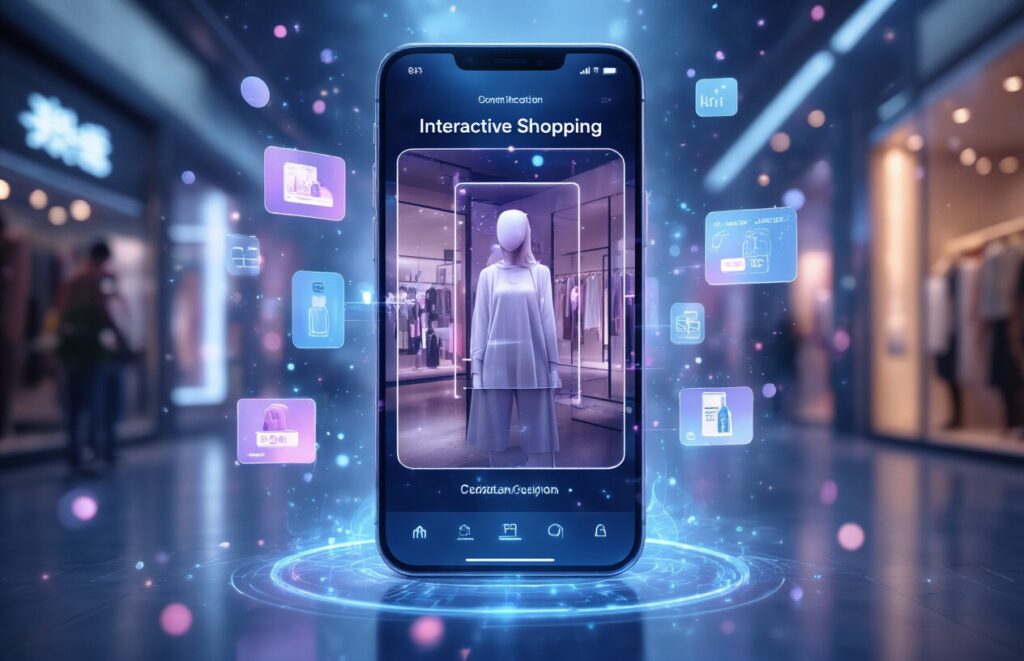
Live streaming commerce and interactive demonstrations
Live streaming has become the digital equivalent of home shopping networks, but with a social twist that’s completely changed the game. Brands now host real-time product showcases where viewers can ask questions, see items in action, and make instant purchases without leaving the stream. This interactive format creates urgency and builds trust through authentic, unscripted moments that traditional advertising can’t match.
Augmented reality try-before-you-buy features
AR technology bridges the gap between online browsing and physical shopping experiences by letting customers visualize products in their own space or on their bodies. Whether it’s trying on makeup filters, placing furniture in living rooms, or seeing how clothes fit, AR reduces purchase anxiety and return rates. Social platforms are integrating these features directly into their shopping interfaces, making the trial process seamless and shareable.
AI-powered personalized product recommendations
Machine learning algorithms analyze user behavior, preferences, and social connections to serve up products that feel handpicked for each individual. These smart recommendation engines consider everything from past purchases to time spent viewing certain items, even factoring in what friends and influencers are buying. The result is a curated shopping feed that feels less like advertising and more like personal shopping advice from someone who really knows your style.
One-click purchasing within social platforms
Social platforms have eliminated the friction of traditional e-commerce by embedding complete checkout systems directly into their apps. Users can discover, compare, and purchase products without ever leaving their social feed, creating an impulse-buying environment that’s both convenient and dangerous for wallets. This seamless integration transforms casual scrolling into potential shopping opportunities, blurring the lines between social interaction and commercial activity.
Impact on Traditional Retail and E-commerce Models

Disruption of conventional online marketplaces
Traditional e-commerce platforms face unprecedented challenges as social commerce reshapes the digital shopping landscape. Amazon, eBay, and other marketplace giants must now compete with platforms where shopping happens naturally within social interactions. Social platforms eliminate the need for separate shopping destinations, creating a seamless experience where discovery and purchase occur simultaneously. This shift forces traditional retailers to rethink their customer acquisition strategies and invest heavily in social integration.
Brand adaptation strategies for social commerce success
Successful brands are transforming their digital strategies to prioritize authentic engagement over traditional advertising. Companies now collaborate with micro-influencers and user-generated content creators to build genuine connections with audiences. Live shopping events, interactive product demonstrations, and personalized recommendations through social algorithms have become essential tools. Brands that adapt quickly gain competitive advantages through enhanced customer loyalty and increased conversion rates in social environments.
Changes in customer acquisition and retention methods
Social commerce has revolutionized how businesses attract and keep customers. Traditional marketing funnels are being replaced by community-driven approaches where customers become brand advocates through social sharing and recommendations. Retention strategies now focus on building engaged communities rather than just transactional relationships. Customer lifetime value increases significantly when brands successfully integrate social features, creating ecosystems where shopping becomes a social experience rather than a solitary task.
Future Predictions for Social Commerce Evolution

Integration with emerging technologies like virtual reality
Virtual and augmented reality will transform social commerce into immersive shopping experiences. Brands are developing virtual storefronts where customers can try on clothes, test products, and interact with items before purchasing. AR filters on social platforms already allow users to visualize makeup, furniture, and accessories in real-time, creating seamless shopping moments within their social feeds.
Expansion into new product categories and markets
Social commerce will expand beyond fashion and beauty into complex categories like home appliances, automotive parts, and professional services. B2B markets are embracing social selling, with platforms facilitating business transactions through trusted networks. Live streaming commerce will grow into specialized niches, from art auctions to real estate tours, making every industry accessible through social channels.
Enhanced data analytics for better customer insights
AI-powered analytics will predict purchase intentions by analyzing social behavior patterns, engagement metrics, and peer influences. Platforms will offer real-time sentiment analysis, identifying trending products before they go viral. Machine learning algorithms will personalize shopping feeds with unprecedented accuracy, creating individual storefronts tailored to each user’s social connections, preferences, and buying history.
Global market penetration and accessibility improvements
Social commerce will bridge geographical gaps through integrated payment systems supporting multiple currencies and local payment methods. Voice commerce and visual search will break language barriers, allowing users to shop across cultures through images and audio commands. Mobile-first platforms will reach underserved markets, enabling micro-entrepreneurs in developing regions to access global customers through simple social media tools and automated translation features.

Social commerce is changing how we buy things online, and the shift is happening faster than most people realize. We’re moving from traditional e-commerce sites to shopping directly through our favorite social media apps, where product discovery happens naturally through friend recommendations, influencer posts, and interactive shopping features. This change isn’t just about convenience – it’s reshaping entire retail strategies as brands scramble to meet customers where they already spend their time scrolling and socializing.
The future of online shopping will be more social, more personal, and more integrated into our daily digital routines. Traditional retailers who adapt quickly to these social commerce trends will thrive, while those who stick to outdated models risk losing touch with younger consumers who expect seamless, social shopping experiences. Start paying attention to how your own shopping habits are changing – you might be surprised to discover you’re already part of this social commerce revolution without even realizing it.
