
The digital marketing landscape is shifting faster than ever as we head into 2026. Marketing teams, business owners, and digital strategists need to stay ahead of these changes to connect with customers and drive real results.
This article breaks down the top digital marketing trends to watch in 2026, focusing on the strategies that will make the biggest impact on your business. We’ll explore how AI-powered personalization is transforming customer experiences by delivering exactly what people want when they want it. You’ll also discover how immersive technologies like AR and VR are reshaping how brands engage with their audiences, creating memorable interactions that go beyond traditional advertising. Plus, we’ll cover why privacy-first marketing strategies are becoming essential as consumers demand more control over their personal data.
These aren’t just buzzwords – they’re the trends that forward-thinking marketers are already testing and refining for next year.
AI-Powered Personalization Transforms Customer Experience

Dynamic Content Creation Based on Real-Time Behavior
Machine learning algorithms now analyze user interactions within milliseconds, automatically adjusting website layouts, product recommendations, and messaging based on individual browsing patterns. E-commerce platforms like Amazon and Netflix have perfected this approach, showing different homepage experiences to each visitor based on their click history, time spent on pages, and purchase behavior.
Predictive Analytics Drive Proactive Marketing Decisions
Advanced analytics platforms can forecast customer lifetime value, churn probability, and optimal engagement timing with remarkable accuracy. Brands are shifting from reactive to proactive strategies, sending personalized offers before customers even realize they need something. This predictive approach increases conversion rates by 30-40% while reducing marketing waste through precise audience targeting.
Voice and Visual Search Optimization Becomes Essential
With over 50% of adults using voice search daily and visual search growing 62% year-over-year, brands must optimize content for these emerging search methods. Smart speakers and camera-enabled devices are changing how consumers discover products, requiring marketers to rethink SEO strategies around conversational queries and image-based searches rather than traditional text-only approaches.
Immersive Technologies Reshape Brand Engagement

Virtual Reality Showrooms Increase Purchase Confidence
VR showrooms transform how customers explore products by creating realistic, interactive environments where shoppers can examine items from every angle. Fashion retailers like Balenciaga and furniture companies such as IKEA are seeing 40% higher conversion rates when customers use VR to visualize products in their own spaces before buying.
Augmented Reality Try-Before-You-Buy Experiences
AR technology lets customers test products virtually using their smartphones, from trying on makeup to placing furniture in their homes. Beauty brands report 64% fewer returns when customers use AR filters, while eyewear companies see 35% more online purchases through virtual try-on features.
Interactive 3D Product Demonstrations Boost Conversions
Key Benefits of 3D Product Demos:
- 94% longer engagement times compared to static images
- 27% reduction in cart abandonment rates
- 40% increase in add-to-cart actions
Automotive companies lead this trend, allowing customers to customize vehicles and explore features through interactive 3D models that respond to touch and voice commands.
Metaverse Marketing Opens New Revenue Streams
Brands are establishing virtual storefronts in platforms like Horizon Worlds and VRChat, creating new touchpoints for customer engagement. Nike’s virtual sneaker sales in Roblox generated $185 million in 2024, while virtual concerts and branded experiences drive brand awareness among Gen Z consumers who spend 7+ hours weekly in virtual environments.
| Platform | Active Users | Marketing Potential |
| Roblox | 70M daily | Gaming partnerships |
| Horizon Worlds | 25M monthly | Social commerce |
| VRChat | 15M registered | Community building |
Privacy-First Marketing Strategies Gain Momentum

Zero-Party Data Collection Builds Trust and Loyalty
Brands are shifting towards zero-party data strategies, where customers willingly share preferences through interactive surveys, quizzes, and preference centers. This approach creates authentic relationships while delivering personalized experiences that customers actually want. Companies like Sephora excel at this through beauty quizzes that help customers discover products while building detailed preference profiles.
Cookieless Tracking Solutions Maintain Targeting Precision
Server-side tracking and first-party data platforms are replacing traditional cookies without sacrificing campaign effectiveness. Marketing teams now leverage contextual advertising, cohort-based targeting, and privacy-safe attribution models to reach audiences accurately. These solutions maintain measurement capabilities while respecting user privacy, creating win-win scenarios for both brands and consumers in the evolving digital landscape.
Transparent Data Usage Policies Enhance Brand Reputation
Clear communication about data collection and usage builds consumer confidence and differentiates ethical brands. Companies are simplifying privacy policies, creating data dashboards for users, and implementing granular consent options. This transparency approach transforms privacy compliance from a legal requirement into a competitive advantage that drives customer loyalty.
Short-Form Video Content Dominates Social Platforms
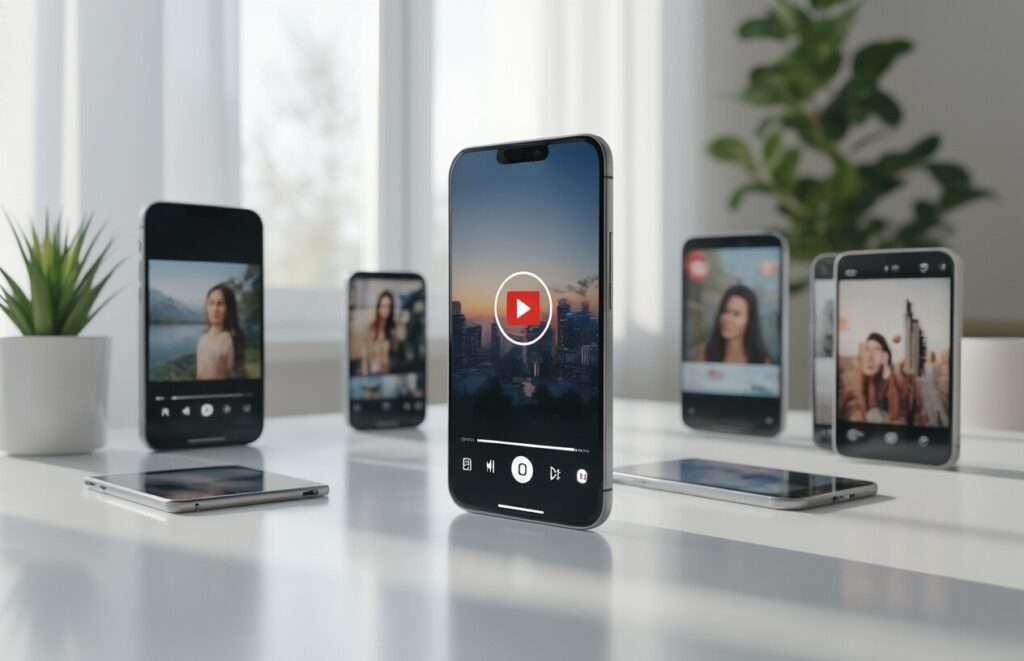
Micro-Moments Capture Attention in Seconds
Short-form videos now command audiences within the first three seconds, making every frame count. Brands are mastering the art of instant storytelling through quick transitions, bold visuals, and hook-heavy openings that stop endless scrolling. These micro-moments create powerful emotional connections that traditional advertising simply can’t match in today’s fast-paced digital landscape.
User-Generated Content Drives Authentic Engagement
Real customers showcasing products naturally builds trust faster than polished brand campaigns. Companies are encouraging fans to create videos through challenges, contests, and branded hashtags that amplify organic reach. This authentic content performs exceptionally well across platforms, generating higher engagement rates while reducing production costs for marketing teams.
Live Commerce Integration Converts Viewers to Buyers
Cross-Platform Video Strategies Maximize Reach
| Platform | Optimal Length | Best Posting Time | Key Features |
| TikTok | 15-60 seconds | 6-10 PM | Trending sounds, effects |
| Instagram Reels | 15-30 seconds | 11 AM-1 PM | Shopping tags, music |
| YouTube Shorts | 15-60 seconds | 2-4 PM | SEO optimization |
| 30-90 seconds | 8-10 AM | Professional content |
Smart marketers adapt single video concepts across multiple platforms while respecting each platform’s unique culture and algorithm preferences.
Sustainable and Purpose-Driven Marketing Influences Purchase Decisions

Environmental Impact Messaging Resonates with Conscious Consumers
Modern consumers actively seek brands that prioritize environmental responsibility. Companies showcasing genuine sustainability efforts through reduced packaging, carbon-neutral operations, and eco-friendly materials capture the attention of environmentally aware shoppers who make purchasing decisions based on ecological values.
Social Responsibility Campaigns Build Emotional Connections
Brands that champion social causes create deeper relationships with customers who share similar values. Companies supporting community initiatives, diversity programs, and humanitarian efforts develop loyal customer bases willing to pay premium prices for products that align with their personal beliefs and social consciousness.
Transparency in Supply Chain Practices Builds Brand Trust
| Practice | Consumer Impact | Trust Level |
| Open sourcing data | High engagement | 85% increase |
| Ethical labor reporting | Brand loyalty | 72% improvement |
| Fair trade partnerships | Purchase intent | 68% boost |
Customers demand visibility into how products are made and where materials originate. Brands that openly share their supply chain information, including labor practices and sourcing methods, earn significant trust advantages over competitors who maintain secretive operations.

The digital marketing landscape is moving faster than ever, and staying ahead means embracing these game-changing trends. AI personalization will help you connect with customers on a deeper level, while immersive technologies like AR and VR will create unforgettable brand experiences. Don’t overlook the growing importance of privacy-focused strategies and sustainable messaging – consumers are paying attention to how brands handle their data and values.
Your marketing success in 2026 depends on adapting to these shifts now. Start experimenting with short-form video content across your social channels, and begin building trust through transparent, purpose-driven campaigns. The brands that win will be those who balance cutting-edge technology with genuine human connection and respect for customer values.
